By Jen Whitmore
At the end of the day I’d like to instill in my sons, “a generosity of spirit.” I hope they will always make the decision to go out of their way to support another, listen to another, or simply give a little more than expected. It’s not a financial transaction I refer to, but a moral one. The decision to give more of one’s own self for no other gain than personal satisfaction and true esteem. I have always prided myself on being a mother who could instill in my sons a devotion to this concept of generosity of spirt, but I had no idea I wasn’t even in the arena of generosity yet, and if I was, had the cheap tickets way up in the bleacher seats!


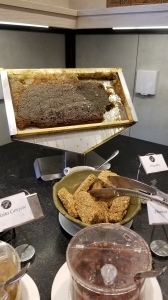
The moment I entered the arena I had landed at Queen Alia airport in Amman, Jordan. I learned very quickly that people take care of each other here. Think, arrival of refugee populations, victims of unrest, war and civil conflict, as well. There is a level of generosity of spirit here that I refer to as Radical Hospitality. It was evident at my very first business meeting in Irbid. There were more sweets than I can possibly describe. Beautiful cookies, cakes and tea (or coffee or water whatever your choice.) It is as though a party may break out at any moment and you are the honored guest being celebrated. I was concerned a few times that it must be for someone else? But each time I was assured it’s ‘the way.’ And I also learned quickly you ruffle feathers and hurt feelings and esteem by turning the gesture down. Do not even attempt to say, “no thank you.” The temperature in the room will go down quickly and you take the wind out of peoples’ sails when you discount their gesture of providing for you. It’s actually a visceral reaction they have. And it is not positive.
Here’s a wonderful crazy example. Once I learned that sweets are coveted and respected with the devotion, they deserve to be present at each meeting…
I stopped at the small bakery across the street from my hotel to buy a kilo of beautiful cookies for the Academy students I would be visiting with that day. After I acted out the transaction for the gentleman behind the counter who did not speak English and who could not understand my incomprehensible broken Arabic… (my acting may be better than my Arabic!) I went on to ask, (act/mime) “do you also sell Turkish coffee?” The gentleman said “La,” (no) but asked me to wait one moment. He dashed out the front door and ducked into the restaurant next-door. It was then that I realized what he was doing! He hurriedly ordered me a hot Turkish coffee to “take away.” He rushed back in a flurry, pushing the hot, open cup into my hands. I fumbled for my Dinar, but he was adamantly refusing with clear intention. This was his gift to me. It certainly brought joy to my day, but at the same time it gave me moment to pause. I felt a little bereft: I had received, but had nothing to offer in return in the transaction. I felt a little marginalized that he had the power to give and my only role was to receive or to take (?) It almost approaches a power imbalance that’s hard to describe openly. I had no inkling what to expect when he rushed off, then had the shock of the realization and the surprise of the offering. The gesture left me feeling provided for (and powerless without opinion.)
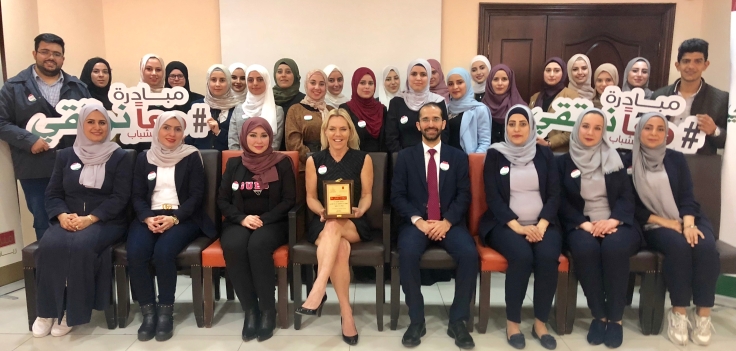
I don’t in anyway mean to negate the joy of the intention, but acknowledge the emotional investment in the transaction/exchange. I have found with this immense generosity also comes a feeling of angst. How do I reciprocate?! How do I feel more in control of receiving? And how do I express both my joy and responsibility in the offering? It took me a number of days here to reflect on this and reconcile my feelings. I came to this: we as people have an inherent need to provide for one another and we each need to feel we are capable to reciprocate, share, and serve as well. This can and does take on different iterations, clearly. For the gentleman at the bakery, of course, I continued every morning to visit him during the exchange. (Interestingly I don’t eat ‘sweets’ in the US!) For the Academy students, staff and hosting Fellow’s true and incredible amount of generosity, all I had to truly share was my time and my presence. Which, in turn I learned became the greatest gift for each of us. The act of giving of one’s own self for no other purpose, but presence coupled with the ancient art of offering and receiving with grace. These are the true gifts the abominable spirit of the Jordanian people are sending me home with! I leave Jordan’s arena of generosity with my ticket fully stamped knowing full well I will share this ticket with the next person in line!


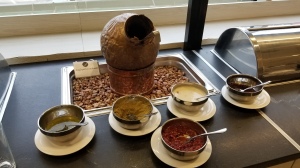
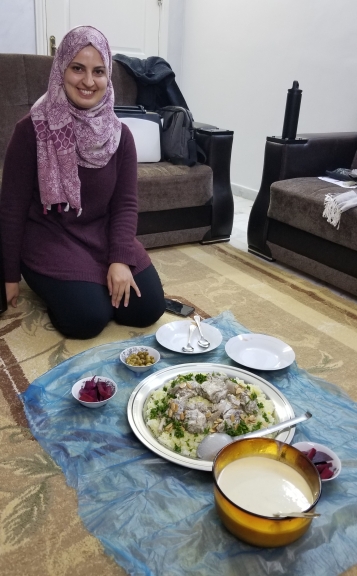 these needs. Mealtime traditions are not universal. In Irbid, we eat on the floor in the living room. We use our hands, we use tissues for napkins, we do not dip the hummus into the za’atar. We eat these types of olives for breakfast, and this type for lunch. We eat two meals a day, not three.

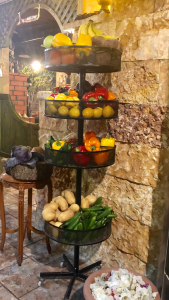 I would love to talk about the Incredible abundance of colorful, healthful food here in Irbid or the radical hospitality I am experiencing, which of course I will, but first I want to acknowledge what quiet silence is feeling like. I am not mute or entirely deaf, but I am finding a place of quiet reflection as I sit and experience what on a typical day in Boston would simply be known as the ritual of the morning coffee rush!






![IMG_8519[1]](https://itdusfellows.home.blog/wp-content/uploads/2020/01/img_85191.jpg?w=736)
![IMG_8505[1]](https://itdusfellows.home.blog/wp-content/uploads/2020/01/img_85051-e1579818671361.jpg?w=535&h=549)
![IMG_8523[1]](https://itdusfellows.home.blog/wp-content/uploads/2020/01/img_85231.jpg?w=588&h=441)

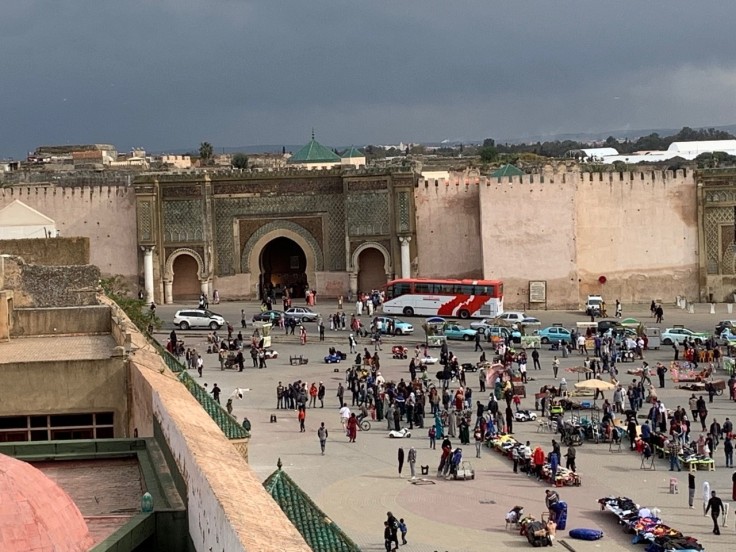
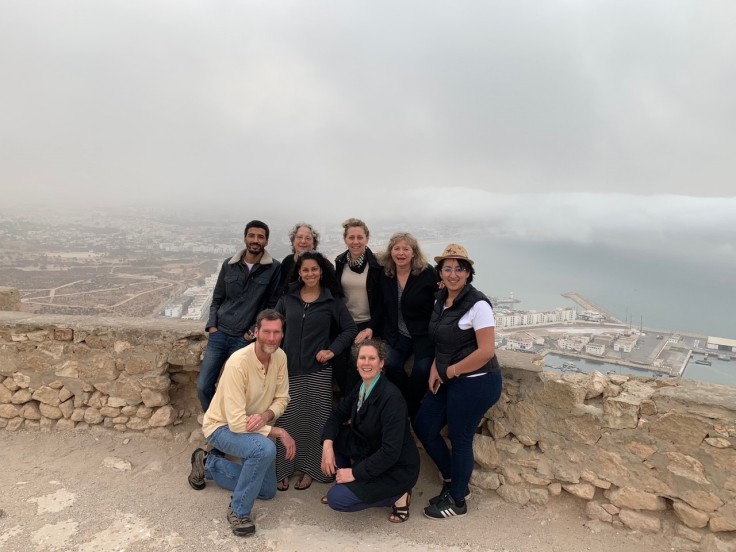
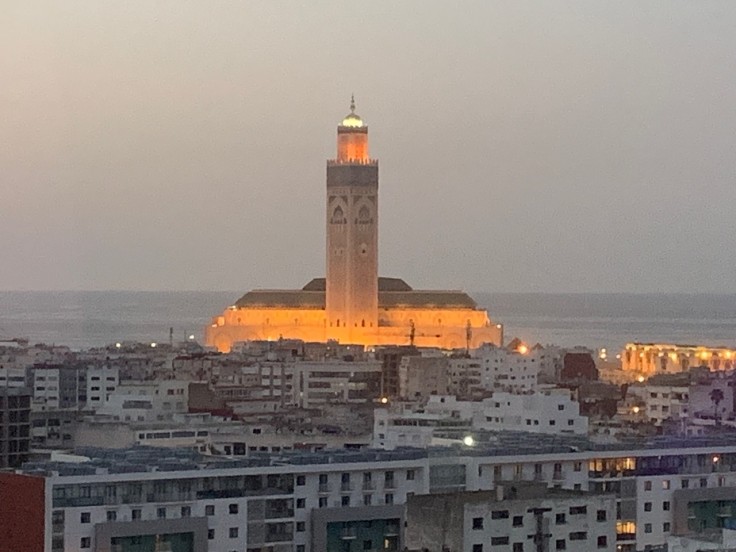
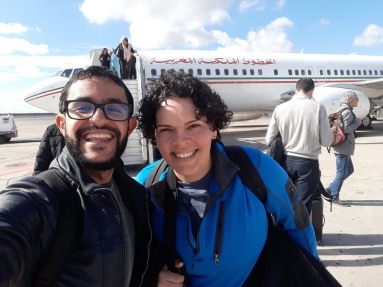
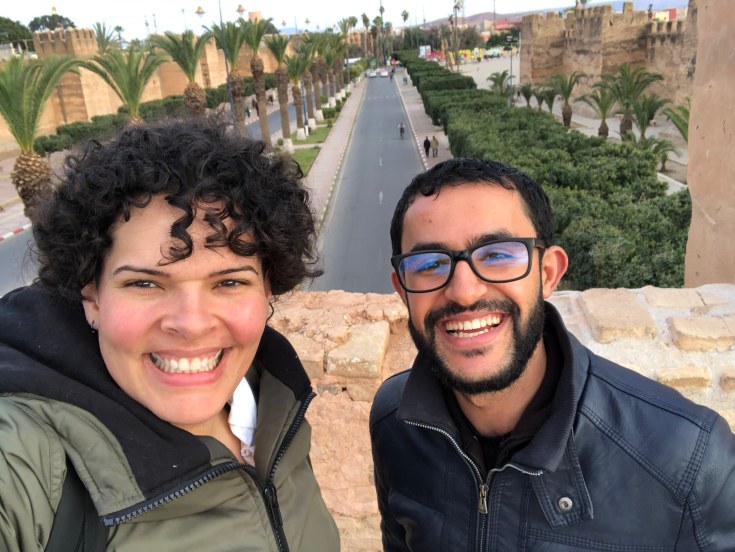
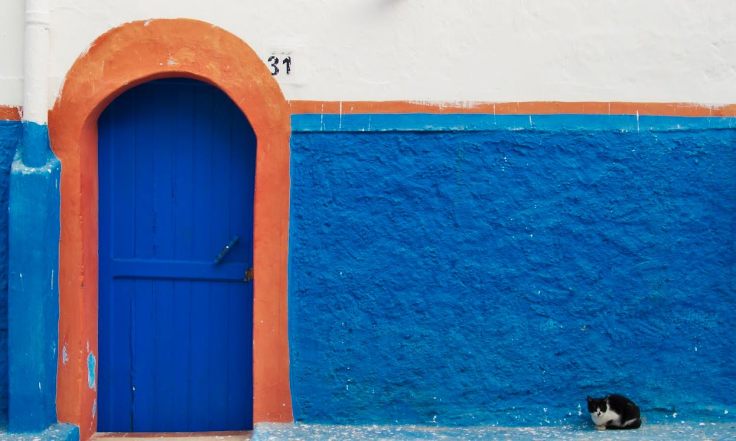
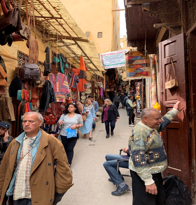
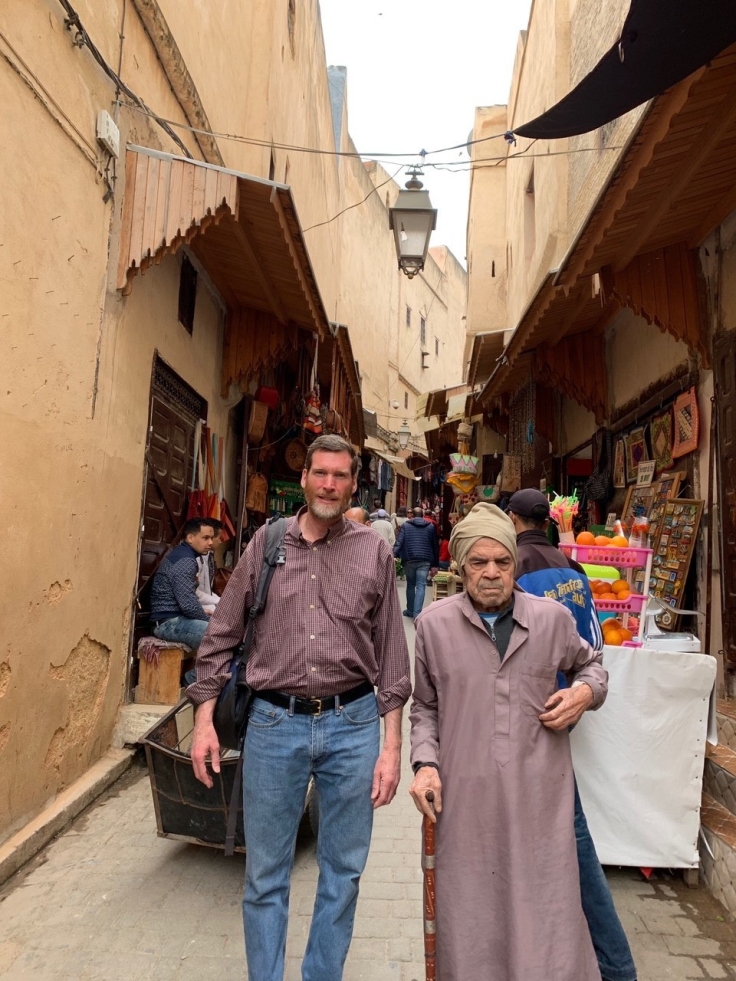
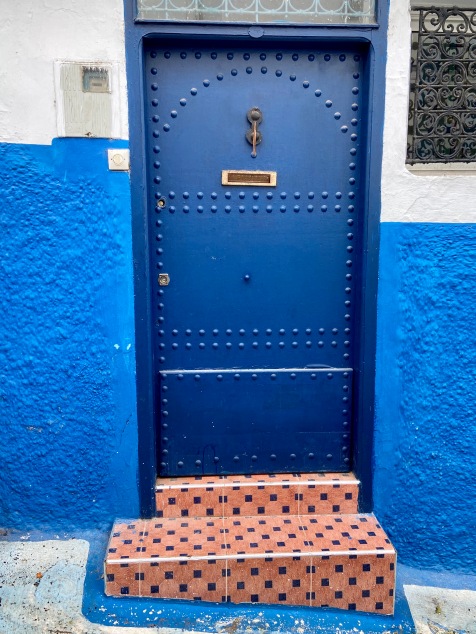 When I think back to our experience hosting an ITD fellow, Najoua Maarouf, at the National Democratic Institute* (NDI) in Washington, D.C., I remember the picture she painted about Morocco. During Najoua’s time at NDI, she shared her expertise on the state of youth civic and political engagement in Morocco and demonstrated an eagerness to learn about youth organizing approaches and programs that would encourage more youth participation. Najoua also spoke about the barriers young people face and a pathway forward that promotes youth leadership and connects young people to formal politics. I never thought I would have the opportunity to see Najoua’s words come to life, but she shaped and guided my introduction to Morocco. The moment I stepped off the plane, I thought, this is what it means to exchange experiences and build bridges. This is what it means to take advantage of an open door.

 ______________________________________________________


 by John Waite